

How technology can transform tumor boards and what to expect from these clinical forums in the future
23/03/2026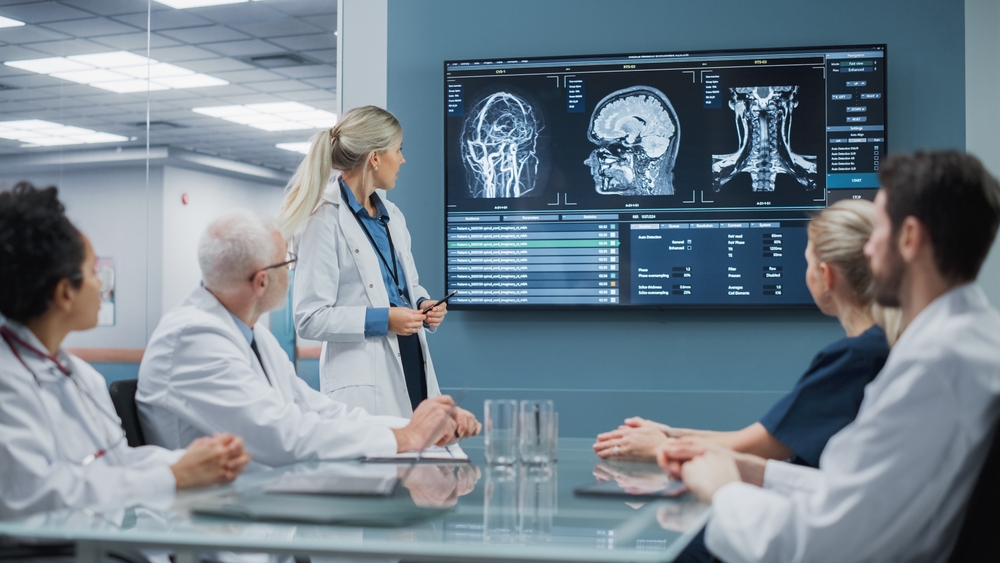
Modern oncology has made clinical decision-making progressively more complex; the expansion of precision medicine, the increasing use of genomic testing, and the rapid evolution of targeted therapies mean that each cancer case now requires an integrated analysis of multiple layers of clinical information.
To address this complexity, multidisciplinary tumor boards have become one of the main mechanisms for therapeutic decision-making in advanced oncology centers. In these meetings, specialists from different fields—such as medical oncology, surgical oncology, radiology, pathology, radiation oncology, and genetics—collectively review each case to define the best treatment strategy.
Scientific literature shows that this collaborative decision-making model produces measurable benefits for patients.
A study published in Interdisciplinary CardioVascular and Thoracic Surgery showed that patients with stage III lung cancer discussed in tumor boards had higher survival rates at 1, 3, and 5 years compared to patients treated without formal multidisciplinary discussion, demonstrating why tumor boards are now considered a standard of quality in oncology care.¹
According to Dr. Nam Jin Kim, Medical Director of Oncology, Hematology, and Radiation Oncology at Einstein Hospital Israelita, “tumor boards are a cornerstone of modern oncology, as they integrate specialists to provide a 360° view that accelerates diagnosis and personalizes treatment. By combining strategic decisions with strict adherence to protocols, this collaboration reduces errors and prioritizes coordinated care, resulting in greater safety and better patient outcomes.”
The exponential increase of data in oncology
Cancer decision-making has undergone significant transformation in recent years; in addition to traditional imaging and pathology exams, many therapeutic decisions now depend on interpreting:
- Tumor genomic sequencing
- Molecular biomarkers
- Gene expression data
- Detailed treatment history
- Eligibility for clinical trials
- Updated scientific evidence
This multiplicity of information creates an operational challenge within tumor boards: organizing, interpreting, and integrating all these data during clinical discussions.
A study published in BMC Medical Informatics and Decision Making analyzed molecular tumor boards and concluded that case preparation and genomic data interpretation are now among the most complex steps in the decision-making process, requiring digital tools capable of integrating and visualizing heterogeneous clinical information.²
Artificial intelligence as support for clinical decision-making
A review published in iScience analyzed the use of different AI technologies (including machine learning, natural language processing, and generative models) in supporting multidisciplinary tumor boards. The study shows that these tools can assist in synthesizing large volumes of clinical data and identifying relevant therapeutic evidence, with agreement rates between AI-generated recommendations and expert tumor board decisions ranging from 70% to 90%, depending on the type of case analyzed.³
Other recent studies have also evaluated the use of generative language models in clinical discussions: according to Frontiers in Oncology, AI-based systems were compared to decisions made by a specialized sarcoma tumor board, demonstrating potential to support the analysis of complex cases, although performance still varies across medical specialties.⁴
These technologies do not replace clinical judgment; their main role is to organize large volumes of clinical data and facilitate access to updated scientific evidence, supporting medical teams in analyzing increasingly complex cases.
How tumor boards may evolve in the coming years
The convergence of precision medicine, clinical data integration, and digital tools points to a natural evolution of these clinical forums.
Among the trends discussed in the medical literature are:
- Automated integration of clinical and genomic data
- Multimodal visualization of exams and biomarkers
- Collaborative digital platforms across institutions
- Automatic identification of clinical trial eligibility
- AI-based decision support systems
However, the essence of tumor boards remains the same: collective discussion among specialists to make individualized therapeutic decisions.
Technology is expected to enhance the analytical capacity of these teams and make decision-making more structured, but clinical judgment will continue to be the central element in defining treatment strategies for each patient.
According to Dr. Nam, “artificial intelligence accelerates tumor boards by automating the organization of complex data and providing real-time decision support, streamlining the analysis of exams and identification of biomarkers. By instantly cross-referencing patient history with global guidelines, AI reduces meeting preparation time and allows specialists to focus on clinical strategy, making therapeutic choices faster, more precise, and personalized.”